
Little Nightmares is not merely a puzzle game tinged with horror; it is a deeply unsettling psychological journey that peels back humanity’s most primal fears. In a horror game market saturated with cheap jump scares, Tarsier Studios’ work stands out like a dark piece of art, where even silence itself can leave players breathless.
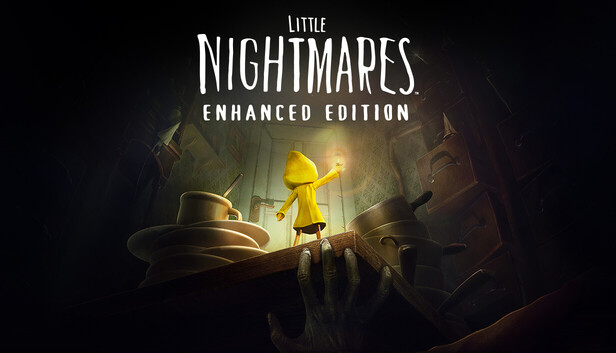
1. Allegorical Narrative: When Silence Speaks
Stepping into the world of Little Nightmares, you will find no spoken dialogue or explicit instructions. Instead, the game employs environmental storytelling to convey the tale of Six—a tiny girl in a bright yellow raincoat, lost within The Maw.
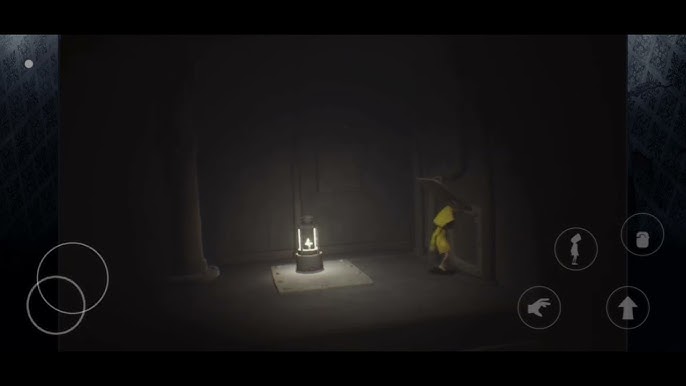
The Maw is a grotesque entity—a massive iron vessel drifting in the depths of the ocean, home to gluttonous guests and twisted rulers. The stark contrast between Six’s fragile size and the ship’s overwhelming scale creates an intense sense of helplessness. Questions constantly arise: Why is Six here? Why do those towering figures crave the hunt for children? And most notably, what does Six’s recurring, violent hunger suggest about the true nature of survival?
2. Haunting Entities: The Faces of Fear
Each area of The Maw is guarded by grotesque antagonistic creatures, their distorted appearances embodying humanity’s vices and moral decay
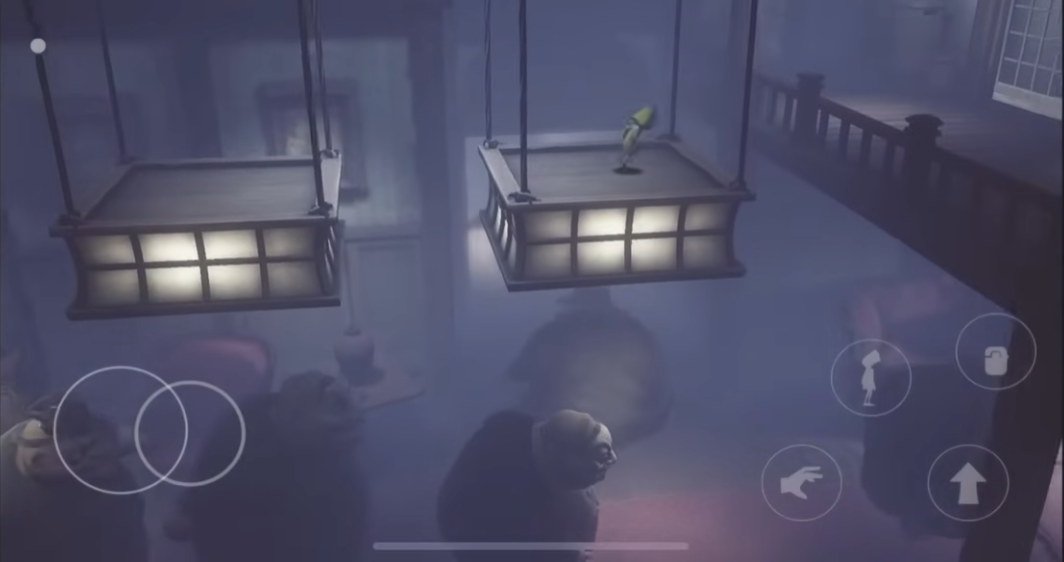
- The Janitor: With his unnaturally long arms and sightless eyes, he represents suffocating control. The sound of his fingernails scraping across wooden floors or his heavy sniffing as he searches for prey creates immense pressure—even when you are hidden in the shadows.
- The Twin Chefs: Obese figures with faces like sagging masks of flesh, they embody greed and ruthless consumption, turning every living thing into a dish for the banquet table.
- The Guests: No longer truly human, these creatures can only crawl and devour endlessly. They serve as a grotesque metaphor for moral decay and society’s insatiable appetite.
3. Gameplay Mechanics: The Intersection of Intellect and Instinct
The gameplay of Little Nightmares seamlessly blends platforming puzzles with stealth-based action. There is no health bar and no devastating weapons—Six’s only tools are a small lighter and the quickness of her feet.
- Observation-Based Puzzles: The game’s puzzles do not demand complex calculations but rather keen awareness. Players must make use of every object in the environment—from chairs and suitcases to narrow ventilation shafts—to find a way forward.
- The Weight of Sound: In Little Nightmares, sound itself is the enemy. A shattered ceramic jar or hurried footsteps can instantly draw the attention of a killer, forcing players to move cautiously and calculate every step.
- Breathless Chase Sequences: Scenes where Six flees from the grasping hands of the Guests or the Janitor are designed with relentless pacing, creating an overwhelming sense of tension and psychological pressure.
4. Visual Art and Sound Design: The Pinnacle of Atmosphere
What sets Little Nightmares apart and earns it perfect scores from critics is its uniquely distinctive visual style.
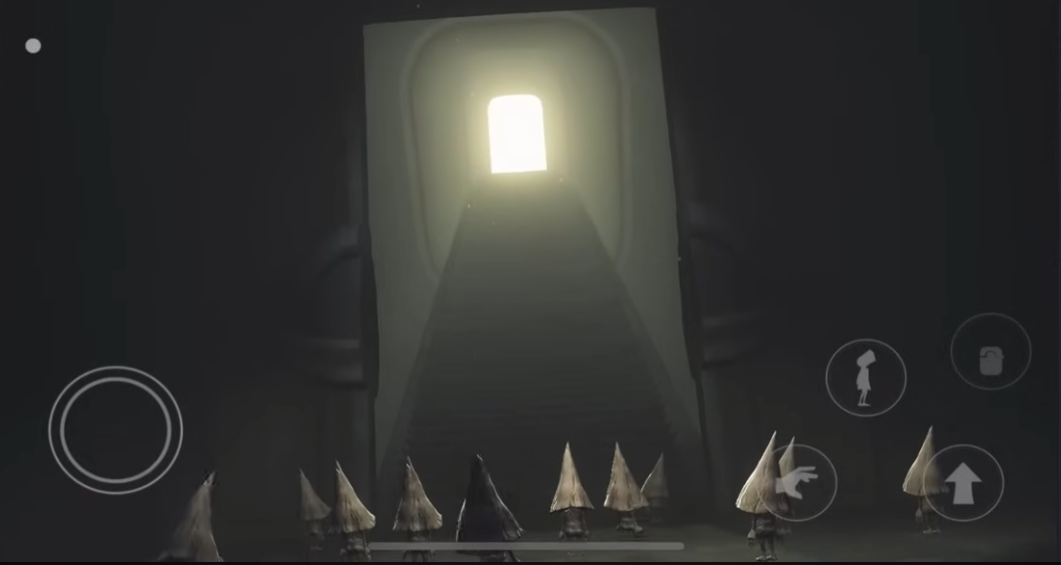
- Dark yet Refined Graphics: Dominated by muted blues, grays, and browns, the visual palette creates a damp, aged, and morbid atmosphere. Lighting is masterfully handled, with the tiny flickers from Six’s lighter providing the only illusion of safety.
- Sound Design: The game avoids a constant musical score. Instead, it relies on environmental sounds: dripping water, the screech of metal as the ship shakes, or the pounding of Six’s heartbeat when enemies are near. It is precisely these moments of silence that tighten the psychological grip on the player.
5. Reflective Value and the Philosophy Behind the Nightmare
The ending of Little Nightmares does not offer the sweet release that many might expect. Instead, it leaves players in shock, forcing us to reconsider: to escape the monsters, must we become a monster ourselves? Six’s psychological and behavioral transformation at the conclusion delivers a powerful twist, exposing the harsh realities of growing up and the corruption that comes from confronting evil.
6. System Requirements and Technical Information
For the smoothest experience, the following system requirements are recommended:
| Component | Minimum Specs (1080p/60fps) | Recommended Specs (4K/Ray Tracing) |
|---|---|---|
| Operating System | Windows 10/11 (64-bit) | Windows 11 (64-bit) |
| Processor | Intel Core i5-8400 or AMD Ryzen 5 2600 | Intel Core i7-12700K or AMD Ryzen 7 5800X |
| RAM | 8 GB | 16 GB |
| Graphics | Nvidia GTX 1060 or RX 580 | Nvidia RTX 3070 or RX 6800 XT |
| Storage | 10 GB (SSD recommended) | 10 GB (NVMe SSD) |
Expansion: From The Maw to Signal Tower and Beyond
If Little Nightmares is a chapter about loneliness and hunger, its sequels have expanded this fear to a global scale.
Conclusion:
Little Nightmares is a masterpiece that cannot be missed by fans of psychological horror games. It is brief yet profound, terrifying yet deeply human. If you have ever loved Limbo or Inside, prepare yourself to step into The Maw and confront the childhood nightmares lurking within your own mind.


Bình luận của bạn